Some temptations don’t arrive as temptations at all. They arrive as something we feel we’re about to miss.
There’s a marketing strategy commonly used by companies that correlates with the serpent’s craft in the story of Adam and Eve. An industrial designer described it in the 1950s as making buyers want to own something a little newer, a little better, and a little sooner than is necessary. This may have contributed to rising debt in modern economies. In one country, the central bank reports that total external debt more than doubled in dollar terms over about two decades. Most of this is government borrowing, so marketing is not the main cause, but it shows how quickly obligations accumulate, and how personal decisions can pile up in a similar way.
What if consumers were introduced to the marketing strategies commonly used, so they could notice them before contributing to the increased debt of their economy? Adam and Eve fell into this same trap; this doesn’t exclude humans in this generation from also falling into the same one, but in different forms. We can see it in the fear of missing out, which pulls people toward decisions that quietly pile up into financial strain. It is an alluring strategy that leads to an increase in problems and a possible effect on long-term decision-making.
What the Serpent Really Offered
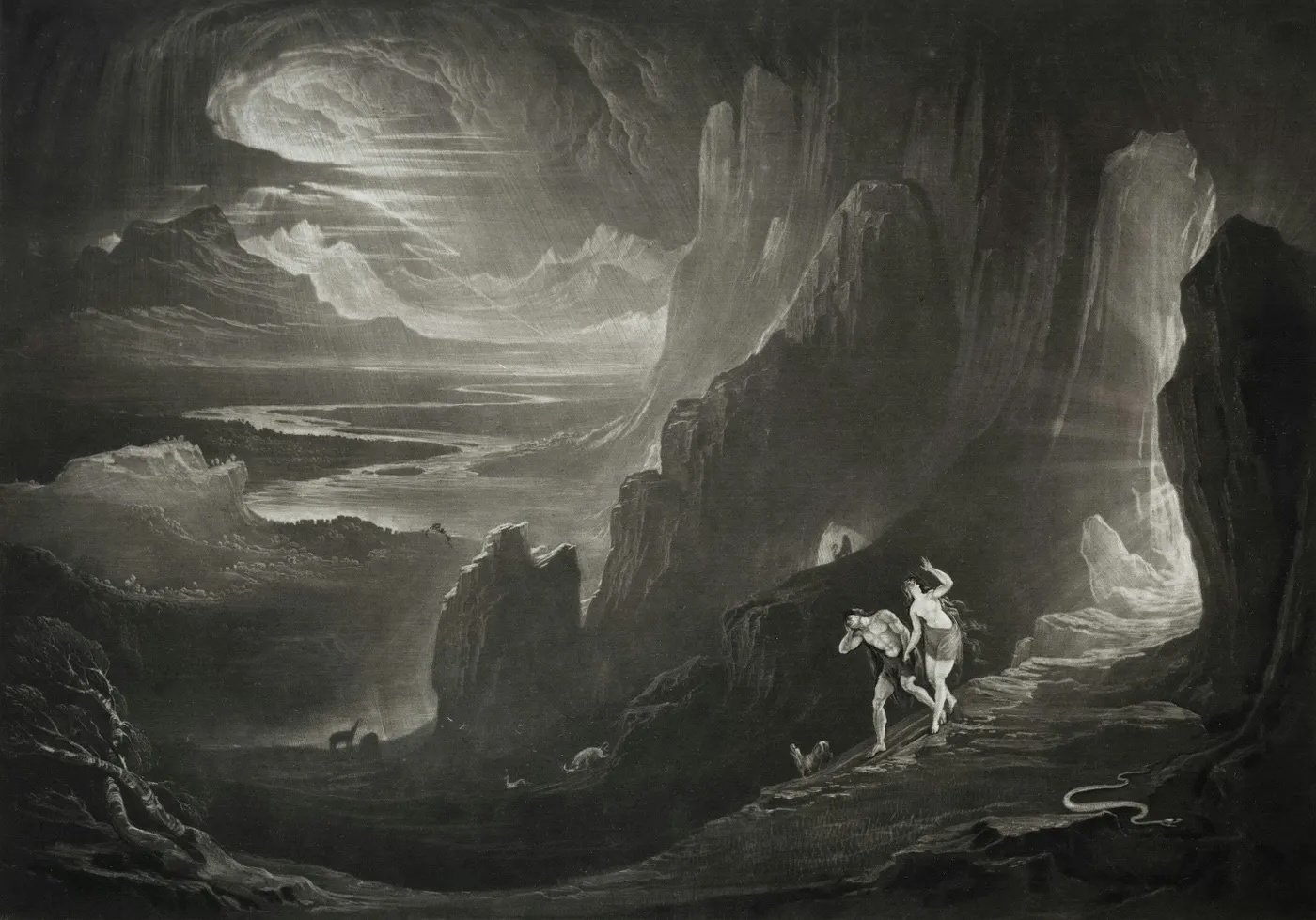
A strategy that created a ripple effect on humanity started with the introduction of temptation and feeding human desires. It started with the story of Adam and Eve, when the serpent allured Eve to eat the forbidden fruit, which fed her curiosity and led to alienation from God and a need for redemption. The serpent showed Eve the most alluring benefits she would get from eating the forbidden fruit, the promise of wisdom and knowledge.
It was so good that it distorted her own truth and fed her curiosity even more. She fell into a trap by eating the fruit, which later led to their spiritual death. Like Eve, we humans, regardless of gender, can also fall into the same kind of trap. On the other hand, Adam also contributed to this ripple effect. He blamed Eve, which resulted in Eve blaming the serpent, which represents a fracture in trust.
Adam introduced humanity’s habit of not acknowledging shortcomings. These kinds of scenarios happen in workplaces, family dynamics, and society. This is part of human nature.
Wisdom and knowledge are nothing if you don’t take responsibility for your own actions.
Maybe that story isn’t as far from us as it seems.
Who Benefits When We Feel Behind?
Planned obsolescence is a strategy some companies have been criticized for. It means designing products so they become outdated or unusable sooner than they need to be, so we have to buy replacements. One example of this is when software stops supporting older devices, even when the device still works. Even without a broken device, ads and the people around us can make what we already own feel outdated. Making something obsolete might give them a higher chance of enticing us to obtain their products through ads with engaging visuals and vibrant features that will soon contribute to financial strain.
Humans have a tendency toward the fear of missing out. Many marketers are aware of this. It contributes to market momentum revolving around scarcity. If consumers feel they might lack a certain product (scarcity), it means more sales and sometimes higher prices. If both companies and humans let the fear of missing out control their decisions, this could result in a continued increase in debt in the future. This could mean that the rise of a company might be the downfall of the consumers, and vice versa.

The Feeling Before the Choice
It doesn’t start from the moment of purchasing something. It starts with the accumulating feeling that everyone seems to be moving ahead while we’re still staying in the same place. We see what others have, then we proceed to a conclusion that something’s new, so the one we purchased before should be old by now. After that, something in us just wants to do something about it, without really thinking about the repercussions.
Nothing wrong has happened yet, until the feeling of being left behind strikes. We start believing that waiting means losing an opportunity, a place, a feeling that won’t happen again in a long time. And that itself can push us to lean on urgency rather than our own reasoning. Moreover, such wanting can make us feel like it’s also considered a need.
This is actually where FOMO, or the fear of missing out, starts to decide for us, in something that should just be observational. It’s actually how subtle temptation tricks us the most. It just wears this costume of worry, like a nudge that only pushes us to hurry. Maybe this is how Eve felt too, before she reached for that fruit. It’s something in her thoughts that’s telling her that she would miss something she was meant to have, or felt the need to have.
What the Numbers Show, and What They Don’t
Feelings like this don’t stay personal for long. Records from one country’s central bank show that its total external debt more than doubled in dollar terms over about two decades. Of course, a lot of factors can contribute to such an increase, and most of this debt is owed by the government, not by consumers. In dollar terms the debt keeps rising, which shows how obligations accumulate.
Imagine if consumers and producers continue making wrong decisions; this wouldn’t only impact their livelihood but also their country’s economic growth. If we kept on making marketing strategies and advancing our tools for efficiency, would that also bring back the problems that brought us here in the first place? Our act of rebelling and lack of taking responsibility for our shortcomings, even with enough wisdom and knowledge, wouldn’t stop us from creating our own ripple effect for the next generations.
If we lose ourselves to the advancement of technology, will the wisdom we had before everything still be considered ours at all? Or would we also end up blaming something that we ourselves walked into because it felt alluring at the time?
Can We Stay Calm While the Current Keeps Moving?
There’s no easy path in this generation. The advancements would keep on coming. We are always going to be part of the economy and its momentum. We cannot control external things or fight the current. However, we still have the potential to strengthen our wisdom and knowledge through financial literacy, linguistics, philosophy, psychology, and many more.
We can also start small. Before buying something we don’t need, we can wait a few days and see if the desire is still there, and ask ourselves what we are afraid of missing.
Let us strengthen such wisdom and humility. We are in a world where efficiency is better known than the true meaning of value. The capacity of learning something is always in us, so let’s not let our responsibility as humans be taken from our hands. Wisdom and knowledge can only do so much for you without your own responsibility.
Bottom Line
Advancement of tools and endless market strategies are only the beginning of something bigger. As consumers and producers in our economy, it’s in our power to handle the responsibilities that were given to us before we even got introduced to this world that shaped our way of living. Maybe knowing our potential as human beings begins there, in noticing the temptations that are always around the corner and choosing, quietly, not to hurry.
This essay was originally published on Medium.
Wait ‘til the next one,
.aletheia